
Common Electric Toothbrush Mistakes (And The Quick Fixes That Actually Work)
An electric toothbrush with a pressure sensor can make brushing easier, but real-life habits can cancel out the benefits. People rush, scrub like they are using a manual brush, skip awkward areas, and keep the same brush head far too long. The handle still vibrates, so it feels “fine,” yet the clean is not as good as it could be.
Below are four mistakes that show up constantly, plus fixes you can actually follow on a busy day.
Mistake #1: Moving Too Fast Across Teeth
What it looks like in real life: You turn the brush on and “paint” across your mouth. The front teeth get the most attention because they are easy to reach and you can see them in the mirror. The back molars get a quick pass. Foam shows up, so your brain says, “done.” This happens on rushed mornings and late nights.
Why it reduces results: Electric brushes do thousands of tiny movements per minute, but they only clean where the bristles stay in contact. If you keep sliding around, the brush spends more time traveling than cleaning. Plaque likes to sit at the gumline, behind the last molars, and in tight corners—exactly the spots you miss when you move fast.
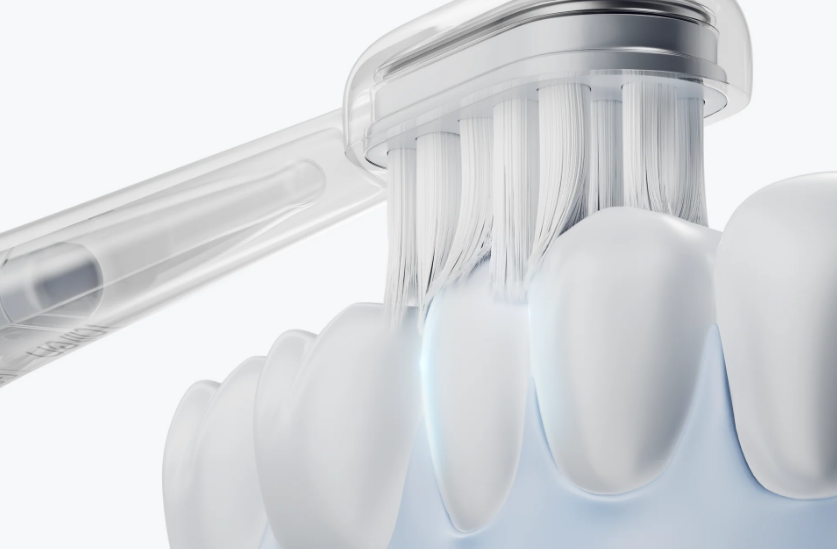
Quick fix: Pause on each tooth. Place the head so the bristles touch the tooth and the gumline, hold for a couple of seconds, then slide to the next tooth. Tooth-by-tooth, not sweep-and-go. On chewing surfaces, do a slow pass across each molar top.
Extra detail that helps: Start with your “problem area” first. If you always forget the back left side, begin there while you are still focused. If your brush has quadrant pacing (a gentle pulse every 30 seconds), use it like a checkpoint: finish the area you are in, then move. If it does not, use a simple map: upper right, upper left, lower right, lower left.
Mistake #2: Pressing Hard For A “Clean” Feeling
What it looks like in real life: You push down because you want that squeaky-clean feeling. Or the vibration feels unfamiliar, so you press to “steady” the brush. Many people do it without noticing, especially near the gumline or on back molars.
Why it can cause problems: More pressure does not automatically mean more cleaning. With electric brushing, heavy pressure can irritate gums, make the head wear out faster, and make brushing feel unpleasant—so you rush or skip. Over time, rough brushing can be hard on gum tissue.
Quick fix: Light pressure + soft bristles. The motor provides the motion; your hand provides placement. If the bristles bend a lot, ease up. If your gums feel sore after brushing, reduce pressure and use a gentler mode if your brush has one. Soft bristles are often the most comfortable and still clean effectively.
A realistic way to train your pressure: For a week, hold the handle with your fingertips instead of a tight fist. Fingertips naturally limit force. If you have electric toothbrush with a pressure sensor, treat it like a stop sign, not a suggestion.
Mistake #3: Skipping Inner Surfaces
What it looks like in real life: You brush the outer surfaces because they are visible and satisfying. Then you tap the tops of the molars and finish. The inner surfaces—especially behind the lower front teeth—get skipped because they are cramped and harder to see.
Why this matters: Inner surfaces collect plaque too. The area behind the lower front teeth can build up quickly because of saliva flow and tight spacing. Skipping these surfaces can leave you with hidden gum irritation and that “my mouth still feels off” feeling even after brushing.
Quick fix: Use the 30-second pacing cue to switch surfaces, not just sides. Easy pattern: first minute on outer surfaces, second minute on inner surfaces, then use the last few seconds on chewing surfaces. Or do 30 seconds each: upper outer, lower outer, upper inner, lower inner.
One practical tip: For the lower front teeth, hold the brush more vertically and use the tip of the head to reach behind each tooth. Slow down and keep the bristles aimed toward the gumline.
Mistake #4: Using A Worn Brush Head
What it looks like in real life: You keep the same head for months because it still turns on and still foams. You may not remember when you last replaced it, or you assume it is not important.
Why it reduces cleaning power: Brush heads are designed with bristles that have shape. As they bend and flare, they lose precision and stop reaching small spaces well. A worn head can also feel scratchy, which often makes people press harder to “get results.”
Quick fix: Replace the head about every three months, or sooner if bristles are splayed, bent, or feel rough. Replace earlier if you brush more than twice a day or you know you are heavy-handed.
Easy reminder: Tie replacement to a date you will remember—start of each season, or the first day of every third month. Keep a spare head next to your toothpaste so swapping takes ten seconds.
A Two-Minute Routine You Can Copy
If you want one routine that prevents all four mistakes, follow the timer. Spend 30 seconds on upper outer surfaces, 30 seconds on lower outer surfaces, 30 seconds on upper inner surfaces, and 30 seconds on lower inner surfaces. Keep the head on the gumline, pause on each tooth for a couple seconds, then move. Use the last few seconds to glide over the chewing surfaces of the molars. When you are done, brush your tongue briefly and rinse the head well every time.
Where To Buy Electric Toothbrushes?
You can buy electric toothbrush with a pressure sensor almost anywhere, but the best place is the one that makes follow-through easy. Online marketplaces often have more models and frequent deals, but it is smart to confirm that replacement heads for your exact handle are easy to find and clearly authentic. Buying directly from the brand’s website can be a good choice when you want official accessories, warranty support, and the newest releases. If you travel often, consider bundles that include a case or extra heads, because those are the add-ons people end up buying later. Also think about charging: if the charger is annoying or the battery is short, the brush will sit dead on the counter and the habit will fall apart.
If you want a modern personal care setup that goes beyond brushing, Laifen offers quality personal care products including professional yet affordable hair dryers, smart electric toothbrushes, and modern electric shavers where you can shop without shipping anytime.
Final takeaway
Most electric toothbrush frustration comes from four habits: moving too fast, pressing too hard, skipping inner surfaces, and using worn brush heads. Slow down tooth-by-tooth, lighten your pressure, use your timer to cover every surface, and replace the head on schedule. Give it two weeks and you will usually feel the difference with electric toothbrush with a pressure sensor: cleaner teeth, calmer gums, and a routine that finally feels simple.